

The Throes of Creation – Leonid Pasternak
I’m newly retired.
Today was rough. All day.
Didn’t want to get up, semi-awake, my mind become a subatomic particle collider of memories, facts, people – confused, whirling, disoriented.
Got up, had coffee, but couldn’t write. Didn’t want to. Didn’t want to do anything.
Searched the emails, rummaged through the morning paper for something of interest. Nothing.
This house is dark in the morning. Not just at 5:00 a.m. It’s dark all morning. No sun. And the skies are cloudy. Gray. Like my spirit. Purposeless. Alone. Disinterested. Blah.
It’s the first taste of retirement. The congregation is gone, or, rather, I am gone from them. I miss them. I am without role. Without work. Without routine. No longer a shepherd. Nor am a sheep within a flock. Adrift. Aimless. Dead to what was. Unclear about what is or will be. I am alone.
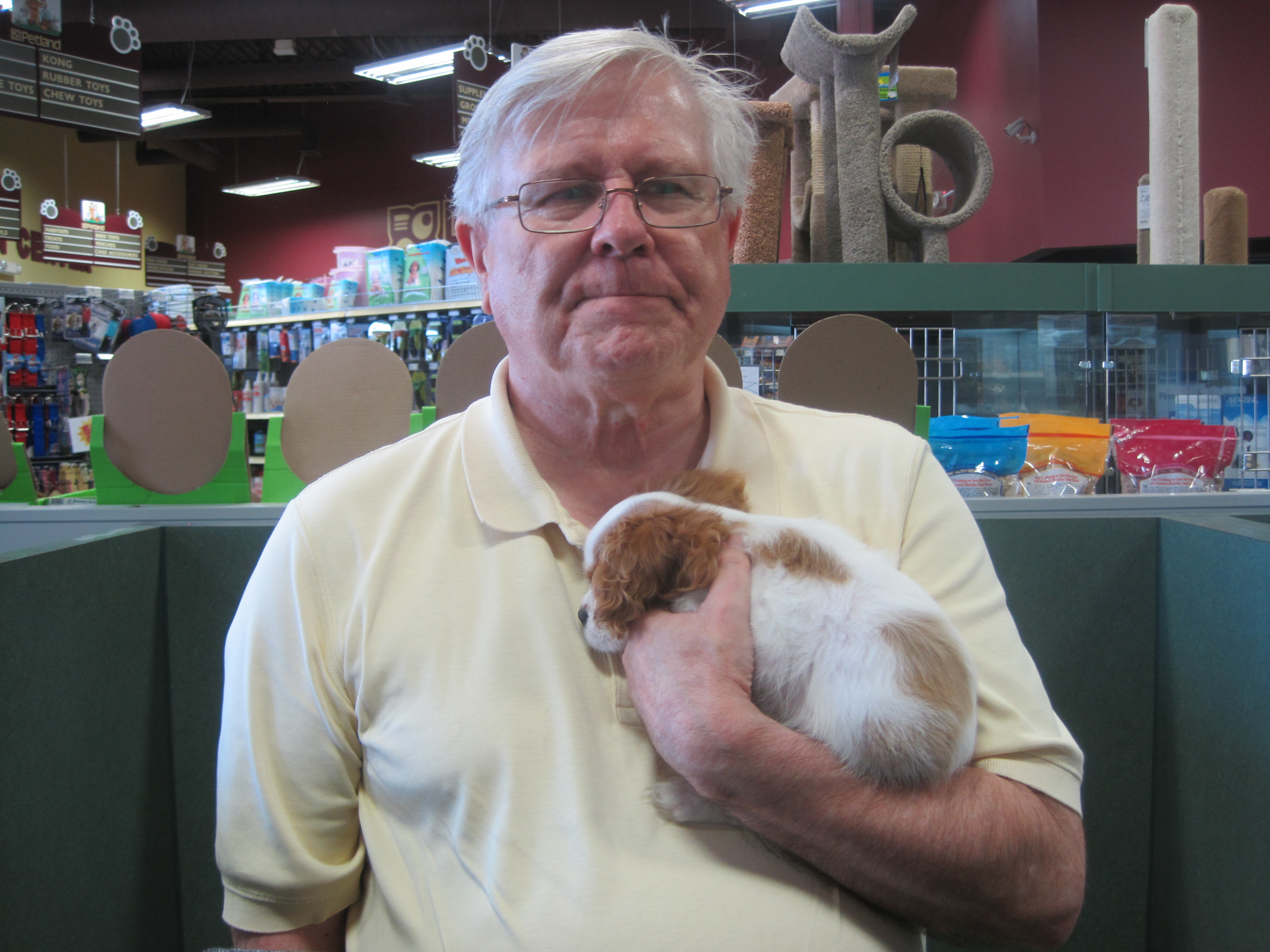
Except for Barclay who doesn’t get it. He want’s to play. It’s just another day. Go out. Come in. Get the ball. Drop the ball at Dad’s feet. Play ball with Dad, eat food, play some more, go out, wonder why Dad isn’t paying attention and why we’re not getting exercise when there’s such nice snow outside.
Barclay drove me nuts today. Not his fault. He’s a dog. He knows nothing about retirement, nothing yet about aging, about hearing loss, about depression.
Barclay knows nothing about the Mayflower, the Pilgrims, the Puritans, the Congregationalists or the Presbyterians. He’s lucky. He carries no existential guilt, no multigenerational trauma, only the Now. Only the present. Sit. Roll Over. Get the ball. Heel. Treat. “Good Dog.”
I realize that today is Veterans Day and I think of my father, the Chaplain who shipped out for the South Pacific when I was a year-and-a-half old. I hear the train whistle near our house here in Chaska and remember being on the train with my mother after his ship left Los Angeles, the horror of being alone hearing and watching my mother’s inconsolable sobbing in the birth of the night train on the cross-country trip home to Boston. I hear the whistle and feel forlorn.
I remember years later being in the Lebanon Valley Hospital at the age of 14, two hours from home, and 15-minutes from losing a kidney from a football accident. It didn’t strike me as strange then that my parents weren’t there. Strange that their absence didn’t strike me as strange. I just thought they were busy. Now I wonder why they were not there. My mother didn’t drive. Why did my father not come until he arrived a week later with the ambulance driver to take me home? I was alone, forlorn, and thought it was normal. What could have been more important at the church or in the family than being there for their son who was in serious condition in a distant hospital?
The role – his robe – defined my father until the end of his life. It defined him. For most of my adult life it defined me. Until the sullying of the robe and the eight years without it at the Legal Rights Center. At LRC I learned to live without the robe among the criminal defendants and the lawyers and community advocates who pled their cases before the court. I lived the life of a “retired” pastor, a shepherd without a flock.
It’s that time again. I am not unprepared for this thing called retirement. But I realize tonight: I’ve been there. I need no robe to be the person I am and always was. A Stewart, a Titus, and an Andrews with a long ancestral history of dealing with life and death, flight and fight, denial and courage, faltering faith and faithfulness, cruelty and kindness, beheading blocks and pardons.
It’s time for the pardon. Time to let go of the past. Time to let go of the robe. Time to be open to the freshness of a life as it was at the beginning: naked and glorious, crying out for meaning and the wonder of anything at all.
Tomorrow I write!

 Views from the Edge