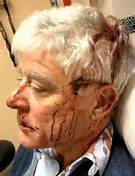
A year ago Mark Andrew was beaten within an inch of his life. We commented on the assault at the Mall of America at the time and are moved to comment now on the unusual sentence handed down yesterday in the case of his primary assailant.
There is judgment and there is mercy. Mark Andrew is a man of faith. He was taught and he believes that God’s judgment is always a function of God’s love, and, as Cornel West puts it, that “justice is what love looks like in public.”
Whose flesh is the flesh of hills and hummingbirds and angleworms,
Whose skin is the leathered skin of the barge-toter and the old Indian Chief and the smooth skin of a newborn babe,
Whose color is the color of the zebra and the brown bear and the green grass snake,
Whose hair is the aurora borealis, the rainbow and nebulae,
Whose eyes sometimes shine like the evening stars, and then like fireflies, and then again like an open wound,
Whose touch is the touch of life and the touch of death,
Whose name is everyone’s, each and all alike, for just a fleeting moment on the shore of time, the hem of your eternity:
Grant us to see ‘tis only the splendor of light hideth thee.’ Let Your healing balm salve the tender wounds of grief and turn the tears of mourning into tears of unshakable joy.
God of the sparrow, God of the whale, God of the pruning hook: You ask only that we do justice, love mercy and walk humbly with You. Lead us to take the claims of justice, mercy and humility into the palaces and chambers of power where public policy is made and administered. Give us confidence that, though truth still sways upon the gallows, yet it is truth alone that is strong.
Let our lives flow in endless song above earth’s lamentations. Let no storm shake our inmost calm. No tempest dim our vision. No noisy gongs or clanging cymbals of ignorant armies clashing by night drown out the gentle sounds of the flute and the dulcimer, the quiet chords of love.
For this work and this alone, raise us up on eagles’ wings to follow Wamble Pok-he, our lead eagle now departed, and to see him standing there, like old Joe Hill, as big as life and smiling with his eyes. “What they could not kill,” says Joe, says Doug, “went on to organize, went on to organize.” “I did not die,” says he. “I did not die. Where workers strike and organize,” says he, “You’ll see Doug Hall,” says he, “We’ll see Doug Hall,” says he. How can we can we keep from singing? Amen.
– GCS, pastoral prayer at Doug Hall’s Memorial Celebration, Wabasha, MN.
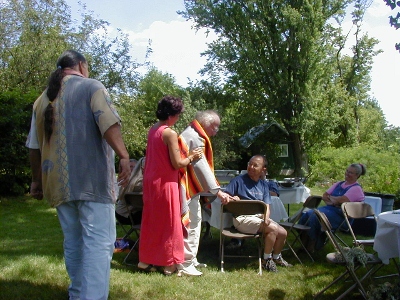
Stephanie Autumn and Clyde Bellecourt honoring Doug with Indian blanket
Doug was the definition of “the street lawyer.” The farewell to Doug was attended by the people he had defended over many years, the founders of the American Indian Movement, African-American activists, U.S. District Court Judges, MN Supreme Court Justices, Indian drummers, and “America’s troubadour, Larry Long.” Doug was an important figure in the standoff between the federal troops and the AIM members who occupied Wounded Knee. He served as Director of the Legal Rights Center, and, in the last decade of his life was a leading figure in the state-wide movement for restorative justice. He was the Honorary Chair of the Minnesota Restorative Justice Movement.
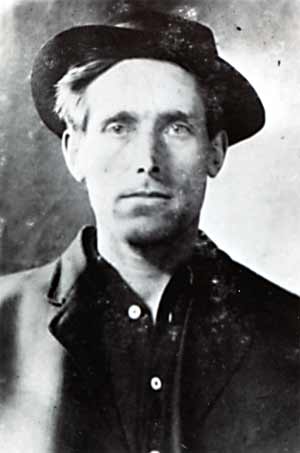
Joe Hill, Swedish-American labor organizer, songwriter, (1879-1915)
I dreamed I saw Joe Hill last night
Alive as you or me.
Says I, “But Joe, you’re ten years dead.”
“I never died,” says he,
“I never died,” says he.
“In Salt Lake, Joe,” says I to him,
Him standing by my bed.
“They framed you on a murder charge.”
Says Joe, “But I ain’t dead,
Says Joe, “But I ain’t dead.”
“The copper bosses killed you, Joe,
They shot you, Joe,” says I.
“Takes more than guns to kill a man.”
Says Joe, “I didn’t die,” Says Joe,
“I didn’t die.”
And standing there as big as life,
And smiling with his eyes, Joe says,
“What they forgot to kill Went on to organize,
Went on to organize.”
“Joe Hill ain’t dead,” he says to me,
“Joe Hill ain’t never died.
Where working men are out on strike,
Joe Hill is at their side,
Joe Hill is at their side.”
“From San Diego up to Maine
In every mine and mill,
Where workers strike and organize,”
Says he, “You’ll find Joe Hill.”
Says he, “You’ll find Joe Hill.”
I dreamed I saw Joe Hill last night
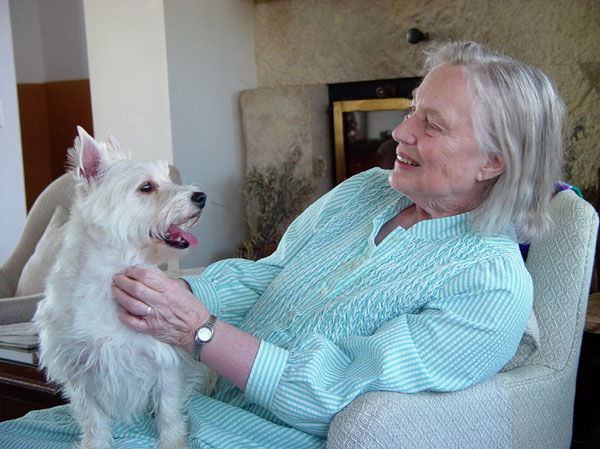
Visiting with a 91-year-old friend with terminal cancer, the discussion turns to her final wishes. Mary is a child psychologist by profession, a retired professor whose pioneering work with children at the University of Minnesota and Minneapolis’ Children’s Hospital is a legacy that will remain long after she is gone.
Raised in a strict Calvinist Christian tradition in Michigan, her soul long ago had come to drink from gentler wells – the quiet gatherings of the “Quakers,” the naturalist spirituality of St. Francis of Assisi and of American indigenous spiritualities that saw the sacred in the cirrus clouds, the fluttering of a leaf, a chickadee at the bird-feeder on the deck, or the circling of an eagle overhead.
When her husband died three years before, the family gathered privately to inter Doug’s ashes in a small opening in the woods on their farm near Wabasha. Doug, like Mary, is legendary in Minnesota…in a different sort of way…the street lawyer with the pony tail who started and led the Legal Rights Center with leaders of the American Indian Movement (AIM), the chosen intermediary between the federal troops and the AIM members at the Wounded Knee occupation in 1973 – Dennis and Russell Means, Clyde Bellecourt, Leonard Peltier, et. al..
The family marked the spot with four stones pointing North, East, South and West – the “four directions of the four corners of the earth.” Early the next morning, the day of the public celebration of Doug’s life, one of Doug and Mary’s daughters had walked out to that tiny clearing in the woods. A bald eagle was sitting very still in the center of the four stones above Doug’s ashes.
I asked Mary at the time what she made of that. With great respect, she paused…and said she didn’t know, and something to the effect that native peoples seem to be in touch with mysteries that elude the rest of us. er statement struck me at the time because in our talks about death and dying, she had always indicated that she believed that life is lived between the boundaries of birth and death. The eagle sitting on Doug’s ashes in that tiny opening in the woods didn’t seem to convince her of something beyond the grave, but she held a kind of sacred openness to the possibility, a respectful not-knowing about human destiny, the universe, and our place in it.
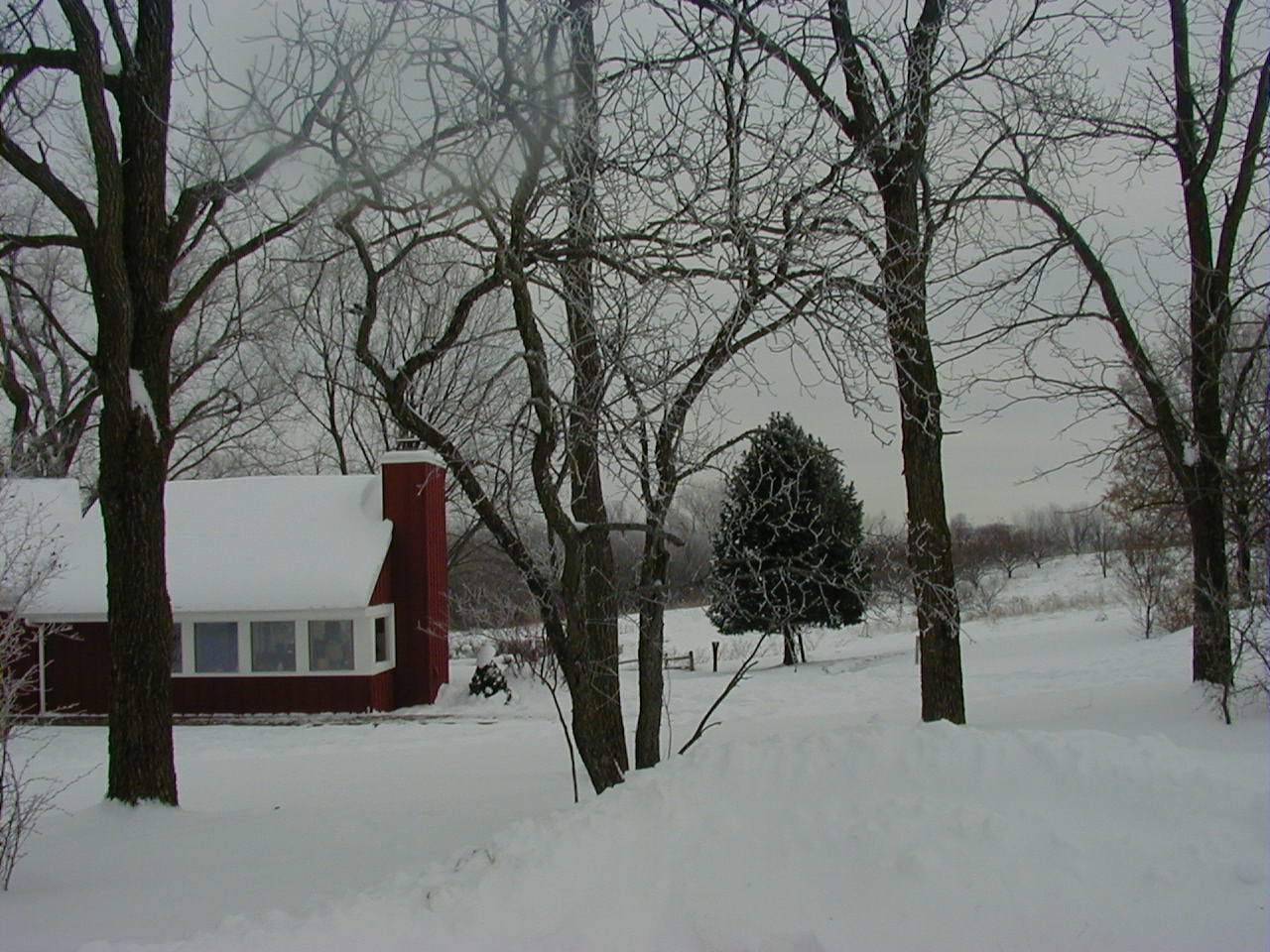
Now, three years after Doug’s death, we sit together, as we often have, over a lunch of shrimp, salad and fresh bread at the table that looks out at the bird feeders in the old converted mill on the farm up the hill from Wabasha. Three of her five children are there.
Missy asks Mary whether she has told me her plans for her service when the end comes. There is a long silence as she goes away to some far off inner place – some wooded glen where no one else can go. Her eyes are distant, dream-like, looking off to some far off place, sorting through her long spiritual journey to fetch the right words out of the forest of 91 years of memory.
Finally she speaks… softly. Quietly. Deliberately. “I want you to do the prayer and I want the benediction.” “What kind of prayer?” I ask. She looks at me quizzically, as if I should know. “Something classical with the gravitas of tradition?” “Yes,” she says. “And what kind of benediction?” I ask. “Blessed are the peacemakers,” she says. “And music. What about music?” “Oh, yes” she says, “Bach, Mozart, Beethoven…and ‘Let there be peace on Earth’”… and she wanders off again into that most personal space where no one else can go.
Ninety-one years summed up in four-words “Blessed are the peacemakers” from Jesus’ Sermon on the Mount.
She is growing weary now. It’s time for her afternoon nap. We say good-bye. I leave this sacred place of Mary’s world, get behind the wheel to drive home, turn on the radio, listen to news that is so far removed from Mary’s world and Jesus’ with all the saber-rattling and the name-calling, and I wish we all could have lunch with Mary or take a walk to the wooded glen where the eagle sat still above Doug’s grave at the center of the four corners of the earth.
———————————————-
For eight years Doug and Mary Hall’s farm was a second home. Mary’s pensive spirit and Doug’s activism made them natural parents of the state-wide movement for restorative justice in Minnesota and the Minnesota Restorative Justice Campaign.


 Views from the Edge