
Out of the devastation of hurricanes Helene and Milton, two roads diverge in a sodden wood. One road sees only what is urgent, the immediate needs for rescue and recovery. The other road, less traveled by, also looks farther for what is important. The road we choose in the Nov. 5 election will make all the difference. Listen to weatherman John Morales speak of his decision to do more than report the weather. Have a look.
Nothing is more important than a healthy planet. Nothing. When a candidate for high office calls climate change a hoax, move on. Do the same with “down-ballot” candidates and political parties that tap dance around the question. This election is about reality.
Presidents, senators, justices, and generals have spoken lines they attribute to Alexis de Tocqueville during his visit to America in 1831. “America is great because she is good, and if America ceases to be good, America will cease to be great.” Facing the sin of slavery, James Russell Lowell wrote the poem that became the lyric of a hymn on which I was a raised. “Once to every man and nation, in the strife of truth with falsehood, comes the moment to decide….” This is a moment like that.
Looking for a Foothold
In time, God help us, the divisions among the American electorate will be healed. Yet, before there is healing, is a common weariness that crosses all lines of difference. Nobel Laureate Albert Camus described our situation when he wrote under the dark cloud that swept over the world in the 1930 and ’40s. Camus’s insight into the experience provides insight into how the absence of any foothold produced suffering in a period similar to ours
“The modern mind is in complete disarray,” wrote Camus. “Knowledge has stretched itself to the point where neither the world nor our intelligence can find a foothold. It is a fact that we are suffering from nihilism.”
The Sum of Your Choices
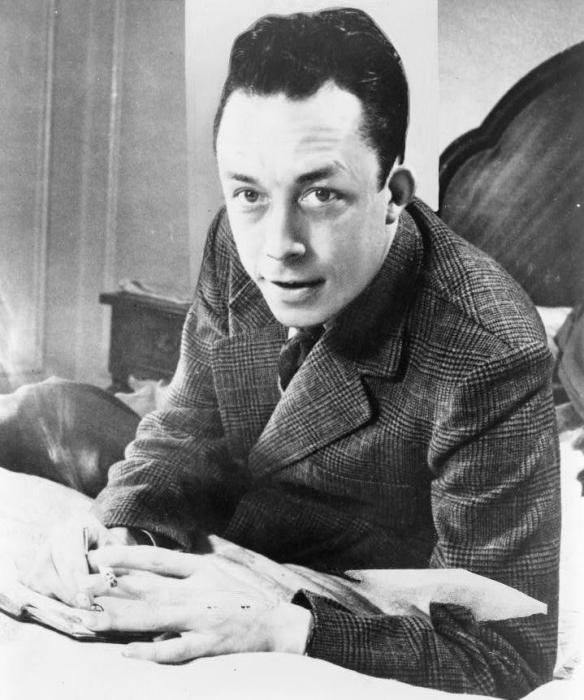
“Life is the sum of your choices.”
Albert Camus
The sum of our choices in this election will be who we are, and will determine what America will become. Votes for candidates and parties that substitute greatness for goodness, while avoiding or denying climate change, are votes against the future.
Vote like life your life, your children’s and grandchildren’s depend on it, because it does.
Gordon C. Stewart, public theologian, author of Be Still! Departure from Collective Madness (2017, Wipf and Stock), Brooklyn Park, MN, October 10, 2024.
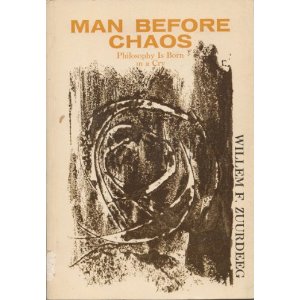 My way of listening and seeing is profoundly shaped by Willem Frederik Zuurdeeg, the late Professor of the Philosophy of Religion and author of
  Views from the Edge